
Summer is right around the corner, and all that anyone (yes, even teachers) is thinking about is summer vacation. There’s just one thing that’s keeping them from being able to start vacation—final exams. Reviewing for final exams can be laborious if you don’t have a plan, but there are some tips that you can use to help navigate those last few days of review and make it enjoyable for you and your students.
1. Have a Plan
This step almost seems too simple, but it is very important, especially at the end of the year when there is, what seems like, chaos all around. As you approach your review, know what your exam covers. Whether you wrote your own exam or you’re giving a pre-made exam (or you’re using the new Abeka assessments platform to do both!), you should know what material will be tested. Here are a few things to consider when compiling your plan:
- What units are highlighted on the exam?
- What information from those units are tested?
- What information should be reviewed to help master another concept?
As you work through your plan, take note of what information may not appear as a specific question on the exam but may be necessary to answer another question on the exam. For example, in English, the definitions of the eight parts of speech may not appear on the exam; however, identifying them will be part of the exam. If students don’t know the definitions, they can’t properly identify the correct parts of speech. You’ll want to add in those definitions during your review to help students be confident in applying those parts of speech.
What does this type of plan accomplish? It helps to make sure you don’t neglect to review something that will be tested. If you expect your students to know the material on your exam, you need to know what you expect. Keep in mind, some of the material that you’re covering in review hasn’t been discussed in months. It’s important to refresh their memories.
2. Take the Test Yourself
You thought that your test-taking days were over, and they are… for the most part! However, you need to take the exam yourself for a few reasons:
- Timing—On average, the teacher should be able to take a test in about one-third the time allotted to students. If your exam takes you too long, you can’t expect your students to finish their exams in an adequate amount of time.
- Updating—As you’re taking the test, you may realize that there are some questions that need to be updated or changed. Maybe you didn’t cover that concept as well as you would’ve liked during the school year, or maybe you decided that question isn’t as important anymore. Whatever the reason, you need to evaluate each question to see if the exam appropriately reflects the students’ learning throughout the school year. It’s better to find these issues now rather than when students are in the middle of taking the exam.
- Reviewing—Taking the test will ensure that you are adequately reviewing the material necessary for the students to be successful on the exam. This is not designed for you to review the exam, but remembering how questions are worded and problems are presented will help you know how to prepare students during review days.
As a teacher, taking tests is crucial to ensure students are being properly evaluated based on how you presented the material in class. If you don’t take your own test, you may not be aware of mistakes on the test or any material that you may have overlooked in class or review. Take the time to test yourself to help better prepare your students during the final days of review.
3. Do Some Division
Once you’ve made your plan and taken your test to make sure you’re ready for review, it’s time to divide the number of units by the number of days to review. For the most part, you’ll spend less time on material from the first half of the year and more time on material from the second half. Your division for a 10th grade World History class with 3 days of review may look something like this:

You’ll quickly notice that an entire day may be devoted to material covered in quarter 4. This is largely because the material covered in quarter 4 hasn’t been tested yet; therefore, the majority of your test will cover those chapters.
Once you have your plan divided out, do your best to stick to your plan during review. Having a schedule that maps out what chapters or units you’ll be covering each day will prevent students from feeling overwhelmed by the unnecessary amount of information crammed into the final day of review.
4. Use Review Games
Spending multiple days of review can be monotonous, which can lead to behavioral issues in the classroom. One way to spruce up your review is by incorporating review games to actively engage students. The purpose of review games is twofold: effective review of material taught and a competitive environment for active engagement. You can do this on multiple levels.
Level 1: Speed-Based
Excite your students by promoting speed in giving answers. An example of a speed review game is a row competition. Start by assigning each row a number and each person in the row a number. When it’s that person’s turn in each row to answer, he could either stand or write the answer on a mini white board. The first person to answer the question correctly the fastest wins a point for his row. This encourages students to think quickly and accurately.
Warning for this type of game: You may find that some students do not want to participate because they don’t like doing things quickly, or students may give you illogical answers. Be on the lookout for those types of things and provide solutions as needed.
Level 2: Knowledge-Based
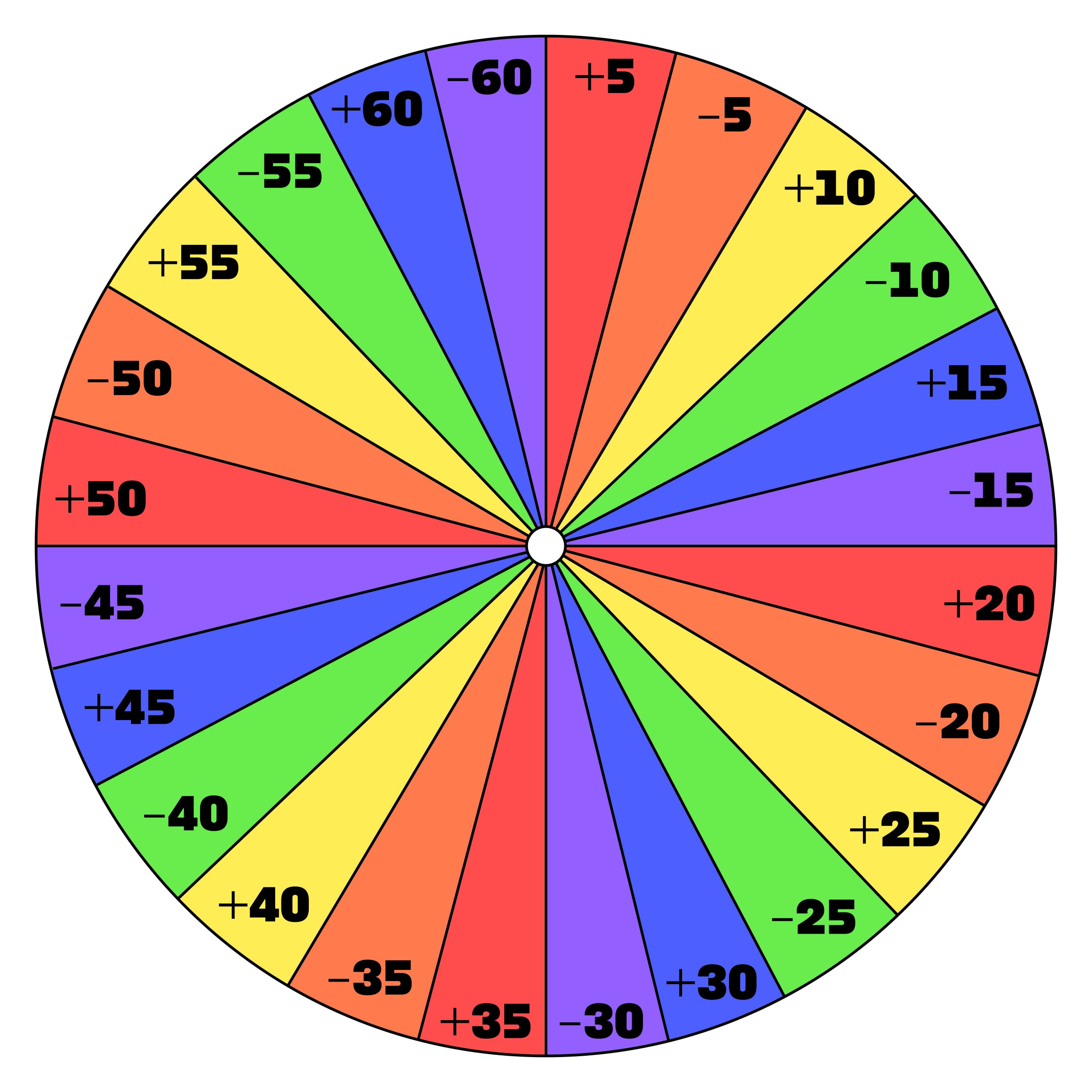
Another way to engage students is by using games that are solely knowledge-based but require some sort of consequential action to follow. For example, you could play a game called “Us vs. Them” by splitting the room in half and taking turns asking a person on each team a question. If they answer the question correctly, they must decide what to do with the points—either keep them or give them away. The mystery factor of the game is that the person doesn’t know if the points will be positive or negative. To add to the excitement, create a wheel with a series of positive and negative numbers. (You can either create an actual wheel or use an app with a wheel that includes a series of positive and negative numbers.) Before the wheel is spun, the person who correctly answers the question will decide if his team gets the points or if the other team gets the points. Wherever the wheel lands (whether positive or negative), the appointed team will receive the points. This type of games focuses on making sure the student knows the answer and allows for a level of suspense in deciding how points are distributed.
Level 3: Strategy-Based
If you want to be adventurous, you can delve into strategy-based games that require a different level of thinking in order to win the game. These types of games are not based on being the first to answer or a random spin of the wheel—these games require thinking to help achieve a desired outcome. You should still set up your game in a way that each person has the opportunity to answer a question then make a decision.
One example of a strategy-based game is Battleship. You could either design the game on a PowerPoint presentation and have students decide what location to hit or bring in the actual game! If you’re really creative, you could play a Jeopardy-style review game.
Review games are fun and exciting for students, especially when they’ve been sitting through countless hours of review. Just remember the primary goal of review games: learning takes place.
5. Use Interactive Media
Because of the amount of material that you need to review, it’s necessary to have a means for providing students with basic information to write down. It’s not your job as the teacher to give them every piece of information during review, but you can provide the foundation to help guide them in their personal study. For example, a slide for an 8th grade science class may look something like this:

Notice that the information on the slides is not all they need to know, but it does give them a reference point in their individual studying to help guide them.
For a skill subject, such as math, you may have them solve math problems on the board to help interact more than just doing it at their seat. English provides many ways for you to be interactive in your presentation. For example, if you are identifying noun functions in a sentence, you can actually mark the noun functions as the student is giving you the answers. For example:
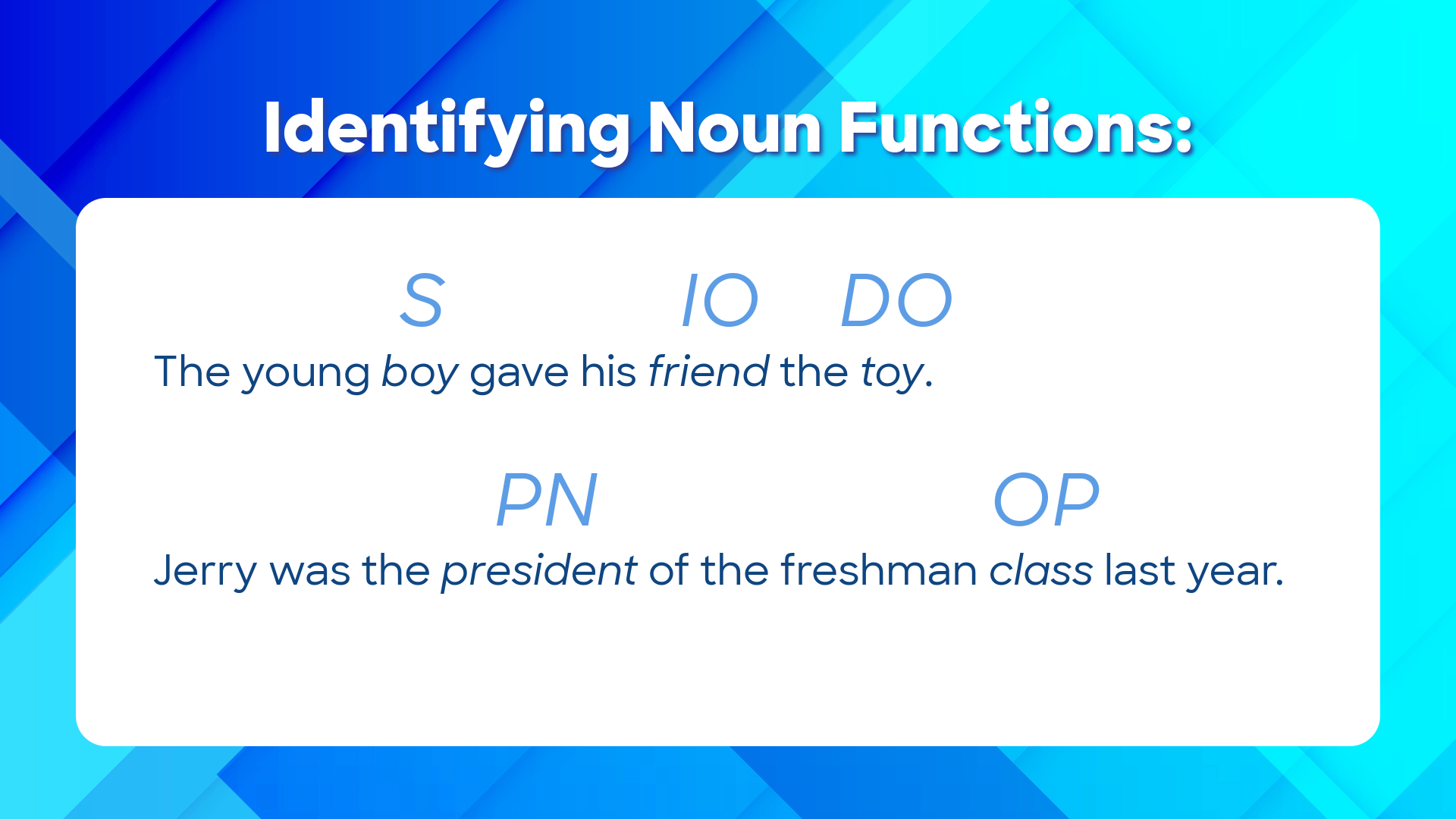
This type of interactive slide helps students see their answers immediately and allows you to help correct any errors in their thinking. Strive to be as interactive as possible in your review.
6. Incorporate All Students
Throughout the year, you’ve identified your students based on their academic level and grouped them into one of three categories—strong, average, weak. You can’t ignore any level of students during your review. If you tend to focus too heavily on one group, or even two, you may lose the others. Here’s how you can incorporate each level of students and avoid neglecting them during review:
Academically Strong
Your academically strong students are those who are making an A or higher in your class. They consistently demonstrate a knowledge of the material taught.
Review Approach
During review, be sure to direct higher-level thinking questions to them. This would be more of an application question. These types of questions may not show up on their exam, but it is helping think beyond just the surface. If you neglect asking the academically strong students questions during review, they will not be challenged.
Academically Average
This group consists of those students making a B or C in your class and is the easiest group to direct questions to. These students have the base knowledge of recall questions but need help with analyzing answers.
Review Approach
Don’t just ask them recall questions; follow those questions up with “why?” Encourage this level of students to answer “why” questions to check their understanding. Be careful of students in this level guessing their way to the answer instead of being confident in their response.
Academically Weak
This group involves students who are making a D or F in your class. Especially when you have so much to review in a short amount of time, it’s easy to overlook weak students because you feel like you don’t have extra time to help them get the right answer. The problem is, oftentimes, they just sit there and struggle to keep pace.
Review Approach
When it comes time for them to answer, start with a recall question. Even if they don’t know the answer, ask leading questions to help them get the right answer. This may take several minutes during your review, but it’s worth the time invested in helping this level of students succeed.
Find a method to incorporate all students, regardless of their level, into your review. Pinpoint who could use the additional help and create a plan to help them be successful during your review time.
7. Reinforce Unclear Concepts
It’s inevitable—you’ll get to a section in your review, and a student will raise his hand and asking something like, “Did you teach this? I don’t remember going over this.” Don’t let that rattle you! You remember the material that you taught throughout the year. Odds are that student forgot that portion of your teaching, or he just doesn’t remember it like he thought he did. What do you do? Reinforce!
Keep in mind: Reinforcement ≠ Reteaching. If you spend an unnecessary amount of time reteaching information, you will waste your review time.
Here are some practical ways that you can reinforce a concept without reteaching it:
- Create a PowerPoint presentation with a few example sentences demonstrating that concept.
- Have students practice a few extra problems that implement a particular concept.
- Ask more application questions that will reinforce their understanding of the concept.
- Provide context for the topic that may still be unclear.
Reinforcing a concept consists of reviewing the concept on the surface with any application as needed (particularly in a skills subject). Give them pages numbers in the book where they can find the information.
As you prepare for the end of the year, remember that everyone (students and teachers) is ready for summer vacation. Continue to encourage learning by having a focused plan for review and allow for learning to be fun by incorporating review games that will excite students while preparing for their final exams.



Comments for Tips for Reviewing for Final Exams
Add A Comment
Your email address will not be published. Required fields are marked *