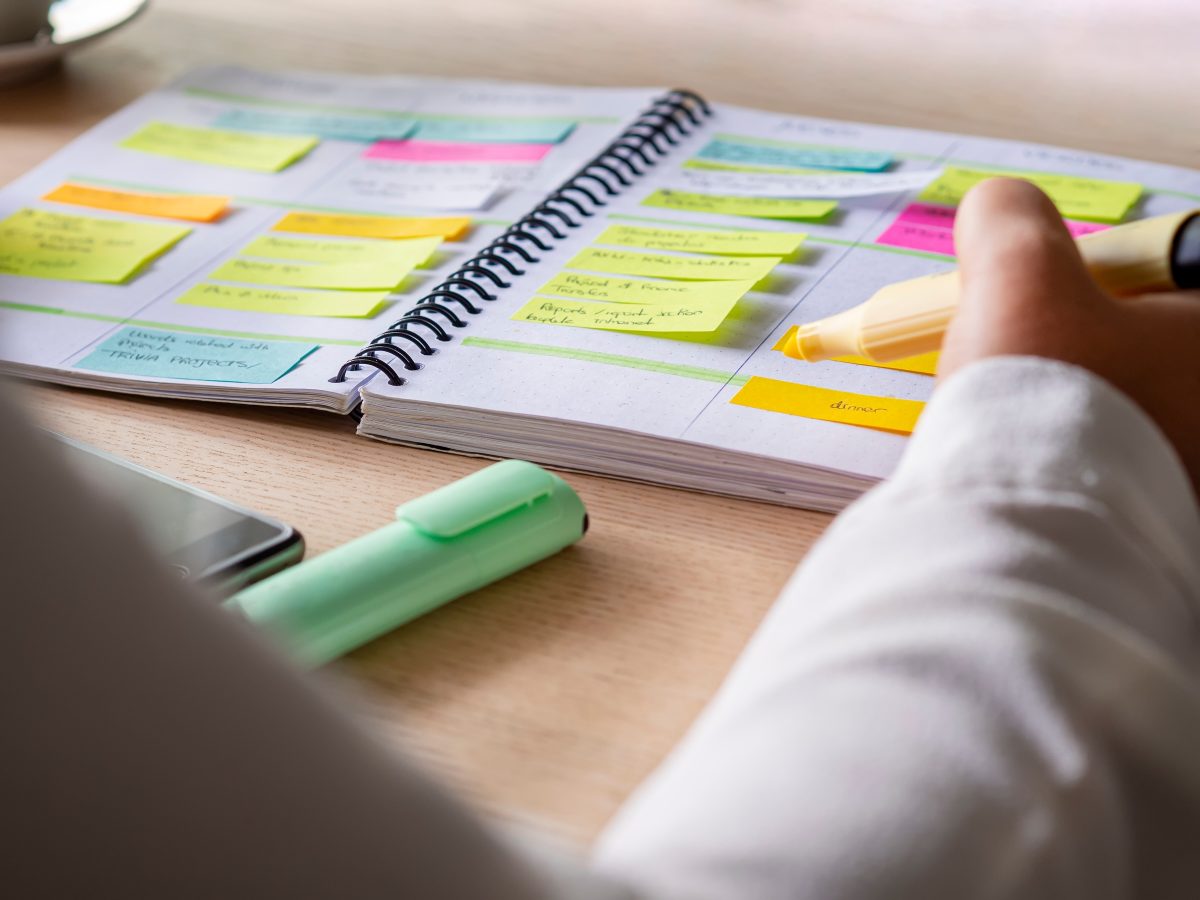
You have probably seen it before: a student opens his backpack and pulls out a crumpled math worksheet, last week’s spelling list, a broken pencil, and yesterday’s granola bar—but not the assignment he needs for today. Later, they stare at a blank page unsure where to begin because their thoughts are just as scattered as their desk.
It’s easy to chalk it up to personality; we say to ourselves, “Some kids are just disorganized.” But the truth is, organization is a skill. Like any other skill, it can be taught, practiced, and strengthened.
The Bible teaches us in 1 Corinthians 14:40 to “let all things be done decently and in order.” When students learn how to manage their time, organize their materials, and order their thoughts, every other aspect of school life becomes easier. They can focus better, learn more deeply, and approach their work with confidence instead of overwhelm. Even small habits like using a folder, setting daily goals, and keeping assignments in a planner can make an incredible difference.
Thankfully, teaching organization doesn’t require a full curriculum overhaul. With a few intentional routines and some modeling on your part, you can help your students build habits that support their learning.
There are two key areas of organization that every student needs, and we’ll give you practical, easy-to-implement strategies for both.
-
Organizing Time
Whether they’re writing the first draft of an essay in class or struggling in the evenings to get their homework done, students tend to struggle with time management. For some students, time feels abstract. They may understand the concept of a deadline, but not how to pace themselves to meet it.
That’s why teaching time management is so essential.
Break time into manageable pieces.
One of the biggest hurdles students face is underestimating how long a task will take. Try having students divide their day (or evenings) into chunks. Even young students can grasp the idea of “this 10-minute block is for writing your spelling list” and “this 15-minute block is for reading.”
You might even turn it into a classroom routine:
- Start each day with a visual agenda.
- Use timers to build a sense of pacing.
- Teach students to “budget” their time the same way they’d budget money.
Teach prioritization.
Not everything is equally important, and students benefit from learning how to make choices. A few practical strategies:
- Use a “Must-Should-Could” list:
- Must = due today
- Should = due soon
- Could = optional enrichment
- Color-code assignments by deadlines or difficulty.
- Use a traffic light system:
- Red = do now (nightly homework, studying for upcoming assessments)
- Yellow = plan (studying for upcoming assessments, setting timelines for long-term assignments)
- Green = bonus (extra study or practice)
By offering your students systems, you are teaching them to think critically about what matters most in addition to boosting their productivity.
Build routines that stick.
Consistency helps turn time management into a habit. Incorporate micro-routines like:
- Set aside the last five minutes of the day for students to create a simple to-do list for the evening. Give them time to prioritize key tasks, estimate how long each task might take, and include time for rest and family connection. This quick routine gives students a clear plan, helps parents see what’s expected, and sets the stage for a smoother, more focused tomorrow.
- At the beginning of the day or a study hall period, ask students to write down their Top 3 Priorities for the day. Just three things they want to get done before they go home. This might include finishing a math page, reviewing for a quiz, or organizing their binder. Keep it focused and manageable. Over time, this routine teaches students how to filter the urgent from the optional and commit to follow-through.
- Before starting independent work or homework, give students two minutes to write what they’ll do, in what order, and how long they think it will take. This quick pause helps them clarify the task, manage their time, and reduce the temptation to stall or multitask.
Lead by example. Show students how you organize your time. Let them see you setting goals, writing out class schedules, and using timers to keep the pace. Demonstrate how you break large projects into steps. This kind of modeling sticks more than any lecture.
-
Organizing Materials
The U.S. Department of Education conducted a study in classrooms spanning grades 3rd through 12th. Teachers observed that students with organized desks, binders, and supplies completed assignments on time, lost fewer materials, and earned higher grades.
When students learn how to manage their materials, they begin to feel more in control of their environment and their learning. Organization is not about perfection. It’s about finding systems that work for your students.
Create Simple, Consistent Systems
Students thrive on clarity and repetition. The more consistent your material management system is, the more likely they are to use it.
- Use color-coded folders for each subject.
- Keep a “home folder” for anything that goes back and forth between school and home.
- Assign a spot in desks, cubbies, or backpacks for frequently used tools.
Visual labels and color cues go a long way—especially for younger learners.
Set a Weekly “Reset” Time
Pick a day (Friday is great!) to do a five-minute binder clean-out or desk reset:
- Clean out desks and bookbags. Toss trash, return library books, and organize papers, books, and folders.
- Pack up for the weekend. Double-check that all homework, books, and take-home folders are in your backpack.
- Sharpen pencils and restock supplies. Make sure every student has what they need to start fresh on Monday.
- Tidy the classroom together. Pick up the floor, straighten shelves, and reset shared spaces. Give each student a simple job to build ownership.
Turn it into a class tradition with music, a countdown timer, or a checklist. This teaches students that staying organized is not just big overhauls every once in a while, but rather it is an ongoing rhythm.
Conclusion: Small Habits, Lasting Influence
Organization isn’t automatic; it has to be taught. By helping students build simple, consistent routines, you are doing more than simply promoting neatness and productivity. You are laying the foundation of discipline, responsibility, and stewardship.
These small habits create a sense of order that supports both learning and character growth. Model to your students what faithfulness looks like in the little things.
When students learn to manage what they’ve been given, they’re better equipped to serve with purpose, learn with focus, and grow into who God has called them to be.
📘Looking for Tools to Help?
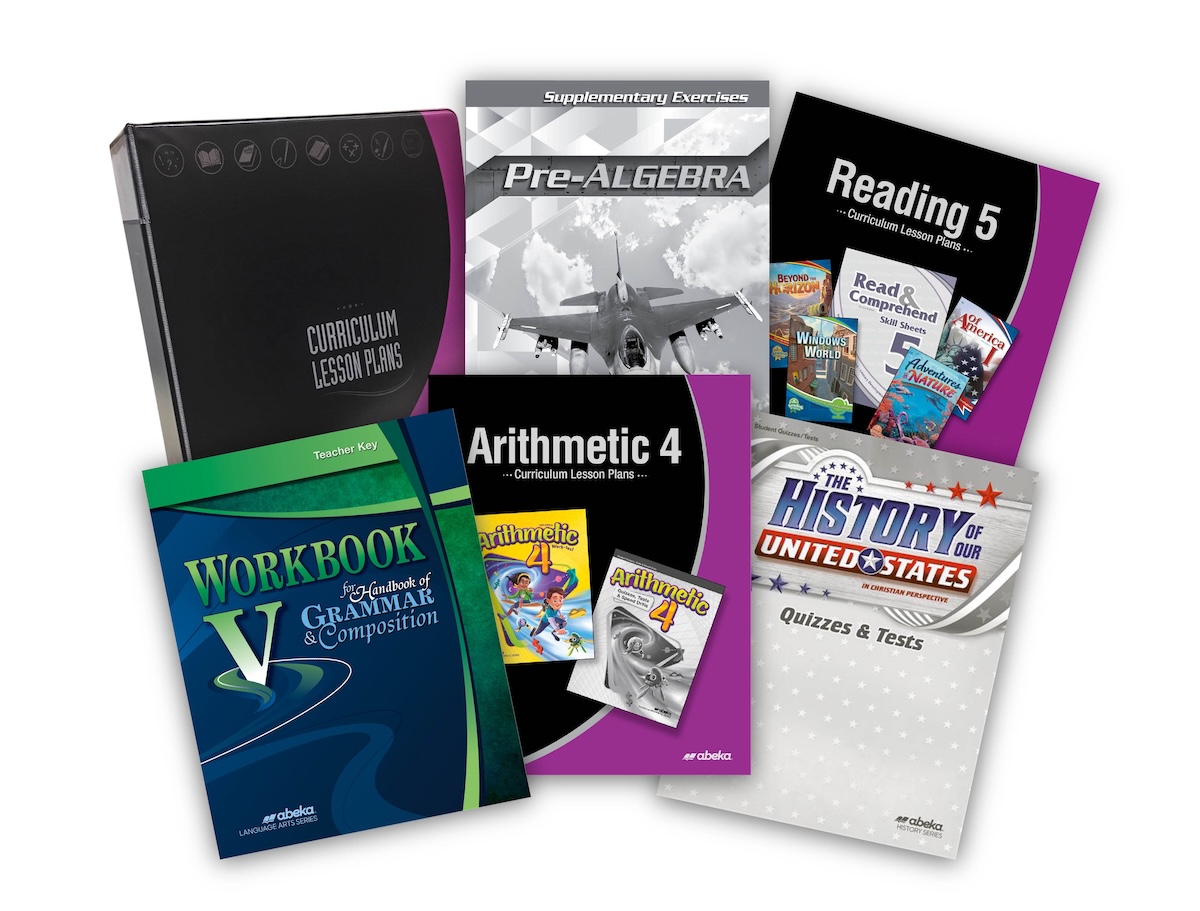
Being the example to our students can be challenging especially when it comes to organization. We’re here to help you! Our daily lesson plans have been put together by our Master Teachers and include guides for the daily lesson schedules, homework, seatwork, tests, and quizzes. With established lessons plans for every grade and subject, we have all your bases covered. Explore more here.



Comments for Helping Students Get (and Stay) Organized
Add A Comment
Your email address will not be published. Required fields are marked *