A new year often feels like a fresh start—but it can also bring pressure for homeschooling families. New schedules, winter energy slumps, and mid-year reflections on progress can leave parents wondering if their routine is working. The good news? Abeka curriculum options are designed to support both structure and flexibility. You don’t have to overhaul your entire approach; instead, you can make small, intentional adjustments that keep your child on track while fitting your family’s unique needs.
Adjust your learning environment to fit your lifestyle

Abeka allows you to adjust how lessons are taught without changing the content. You can rearrange your daily schedule, shorten sessions on low-energy days, or incorporate more movement breaks to enhance student engagement. These small tweaks make learning more manageable and enjoyable for both you and your child, helping everyone stay engaged throughout the day.
A structured learning path keeps your child steadily moving towards mastery
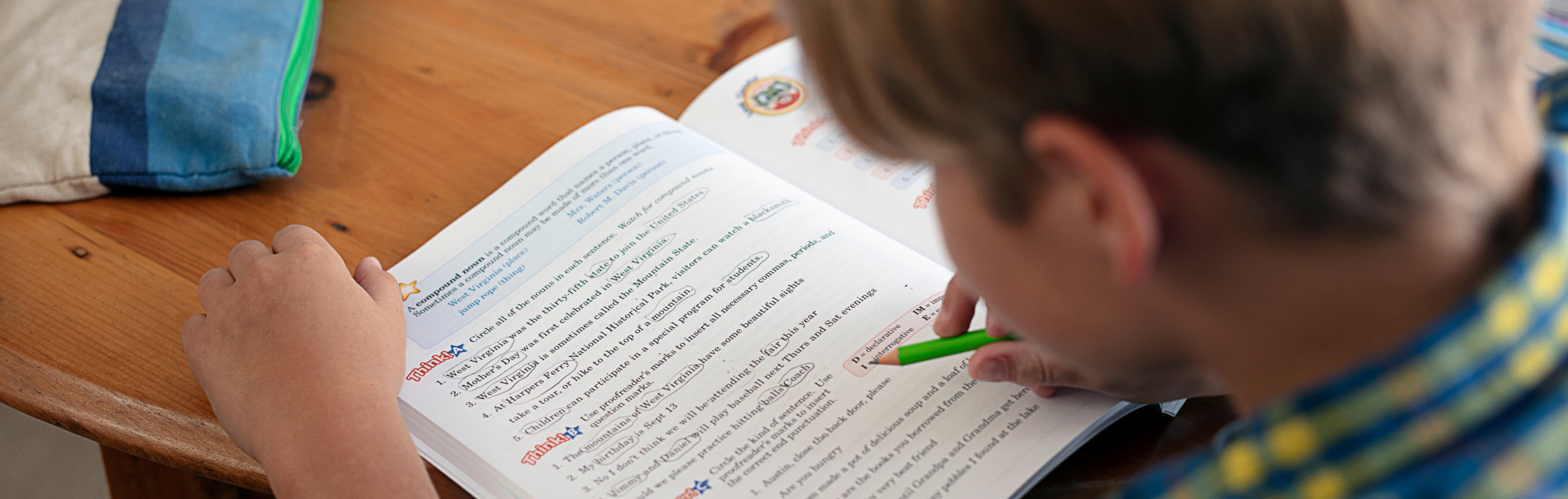
With the spiral learning method, every Abeka lesson builds intentionally on the last, ensuring mastery rather than memorization. This structured progression keeps children on track, even when schedules need to shift or unexpected events arise. Knowing there’s a clear path forward gives parents peace of mind and students a consistent foundation for success.
Control your pacing and workload for your family’s needs

Not every day will look the same, and that’s okay. On busy days, you might focus on three subjects instead of five, turn a workbook page into an oral activity, or combine review lessons. Even using Friday as a “catch-up or light day” can help your family maintain momentum without feeling overwhelmed.
Clear lesson objectives keep you both on track
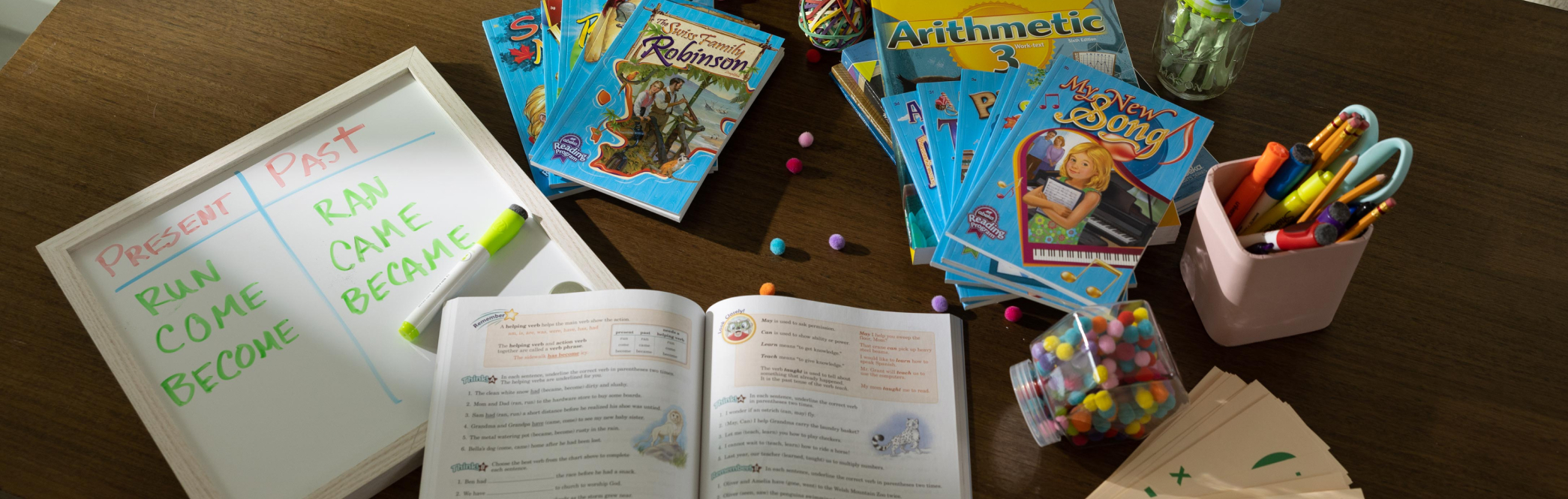
Each lesson comes with specific learning objectives, so you always know what is essential. Structure provides clarity for both parents and students, ensuring that learning remains consistent and focused, regardless of the adjustments made to daily routines.
Shift your learning environment to renew motivation

Flexibility extends to where and how learning happens. Move reading to a cozy spot on the couch, plan weekly sessions at the library, or invite a guest speaker into your home. Changing your child’s learning environment can help reduce burnout and keep them excited about studying.
High academic standards ensure success

Abeka maintains rigorous academic expectations, whether lessons are parent-led or through Abeka Academy video lessons. Consistent quality ensures that children receive thorough instruction and stay on pace with their educational goals.
Explore support tools to reinforce concepts

Your tools can shift with your family’s season. Video on Demand, digital flashcards, hands-on activities, or supplemental materials can reinforce the same concepts in new ways. Using these resources strategically lets you adapt instruction to your child’s needs without sacrificing learning outcomes.
A consistent biblical foundation ensures spiritual growth
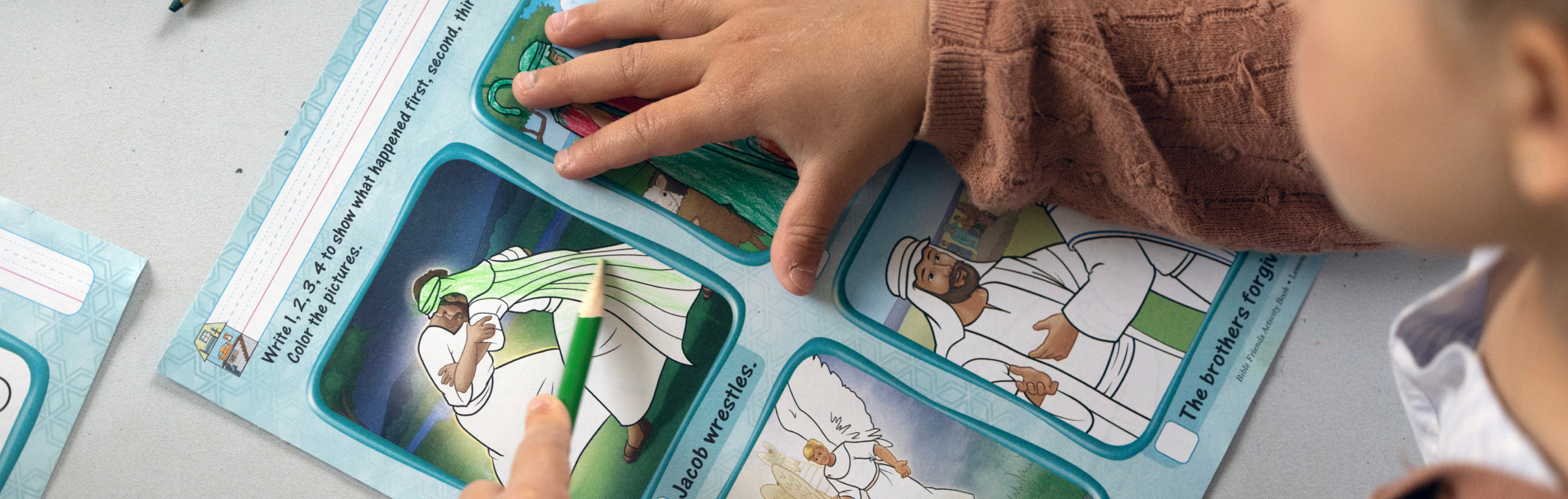
Scripture and faith are thoughtfully woven throughout every lesson, providing students with a consistent moral and spiritual framework as they grow academically.
Mid-year adjustments are an opportunity to refresh routines and boost engagement. By staying flexible and relying on Abeka’s structured foundations, you can maintain academic excellence while adapting to your family’s season. Take a moment to reflect, experiment, and enjoy learning together.
What are some ways you refresh learning in your home? Share your tips in the comments of this blog to inspire other families!



Comments for What’s Flexible vs Structured in Your Abeka Program? A Mid-Year Guide.
Add A Comment
Your email address will not be published. Required fields are marked *