Editor’s Note: This is part one of a two-part series.
For many homeschooling families, the preschool years feel like a blur of playtime, snack breaks, and circle songs. While these things absolutely matter, there’s far more happening beneath the surface than most of us realize.
Preschool isn’t only cute crafts and ABCs — it’s a pivotal season of mental, emotional, and spiritual development. And when approached with intention, it becomes a powerful foundation for a child’s lifelong learning journey.

As Cindy Quinlan, senior educational consultant for Abeka, and Maranatha Sweet, educational consultant for Abeka, share in a recent three-part video series, the preschool years are not to be underestimated. This is the time when children’s brains are rapidly growing and forming connections.
“Sometimes we have the tendency to think of preschool as ‘school light’ or, in some ways, just not quite as important,” said Quinlan. “And what we want to emphasize is just how crucial these young ages are in learning in all areas — spiritually, academically, socially. So as we think of preschool, I want us to feel the burden, to feel the intentionality of working with children this young.”
In order to make the most of these early learning opportunities, the Abeka preschool program focuses on four key areas:
- Bible
- Academics
- Letters instruction
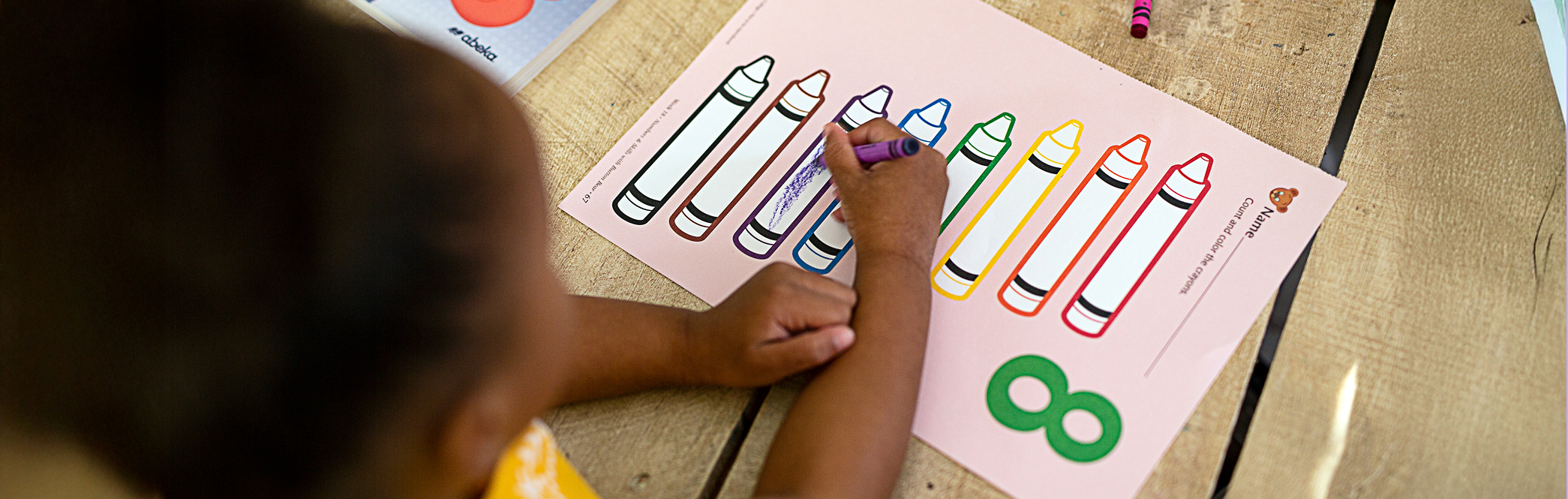
- Numbers instruction
- Language development
- Skills development
Yet, as we unpack the importance of intentional learning in preschool, the focus isn’t on the instructional step-by-steps of each key area. Instead, Quinlan and Sweet offer homeschool parents and educators useful insights into a young child’s ability to learn at an early age. Even more, they’ll unpack how foundational these educational years are to subsequent learning and growth.
“It’s purposeful instruction in those foundational concepts with plenty of play and other activities,” said Sweet.

More Than Play
When some parents hear the word “preschool,” they may think: Isn’t preschool essentially babysitting and playtime, with an occasional lesson on a letter or number baked in? But as our “Teacher Talk” series highlights, a well-structured preschool experience can do far more than keep little ones busy—it lays the groundwork for reading, critical thinking, social interaction, and even spiritual understanding.
In fact, preschool becomes a time to introduce structure, habits, and rhythms that will serve students as they grow. Our belief is that preschool is also where we begin training a young child’s character — patience, obedience, attentiveness.

5 Lasting Benefits of a Strong Preschool Start
A high-quality preschool experience provides more than an academic head start. It offers a launchpad for life. Here are five benefits to expect when homeschool parents approach preschool with an intentionality that emphasizes academics and learning:
- Cognitive Development: Exposure to language, numbers, and creative play helps the brain make critical connections.
- Motor Skills: From coloring to cutting and pasting, kids practice fine motor skills that prepare them for writing.
- Social Readiness: Learning to take turns, follow instructions, and collaborate are crucial skills for future group settings.
- Spiritual Growth: Bible stories, songs, and memory verses introduce God’s truth in a joyful, age-appropriate way.
- Confidence: Completing tasks and participating in structured activities builds self-assurance.


Comments for Beyond Play, Part I: Preschool Children Are Dynamic Learners, If Given the Chance
Add A Comment
Your email address will not be published. Required fields are marked *