
Throughout history, failure has been the steadfast companion of success, a quiet architect shaping the world’s greatest minds—from Edison to Einstein, from Lincoln to Churchill. Their stories of navigating the shadowed valleys of disappointment before basking in the sunlight of triumph remind us that failure is not necessarily a dead end but can rather be a winding path toward wisdom, innovation, and legacy.
Mistakes are a natural part of the learning process, but not every student innately bounces back from adversity. In fact, many of your students will likely not naturally handle failure constructively. By sharing a philosophy of failure, teaching resilience, and fostering a growth mindset, you should become adept at showing your students how to face challenges with more confidence and resilience.
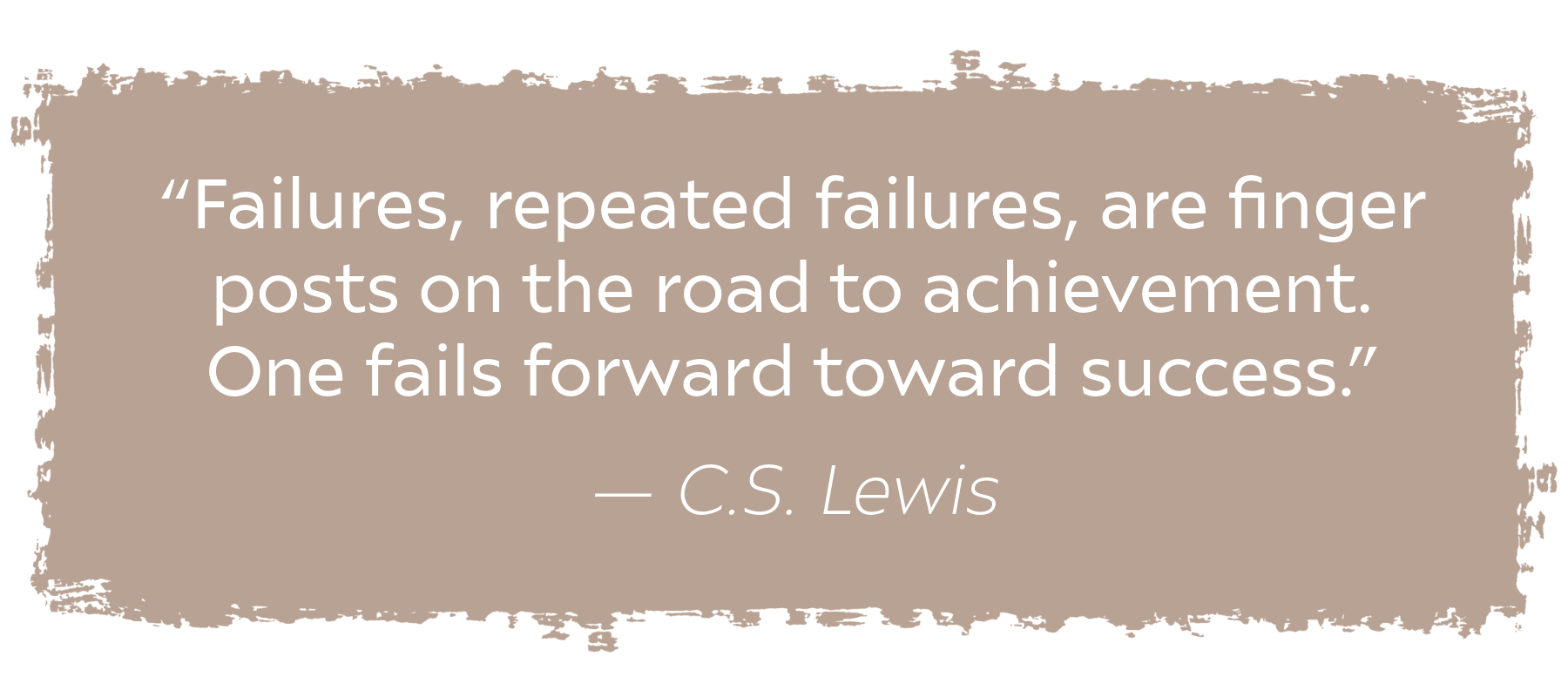
Failure is part of learning.
The foundation of helping students confront the fear of failure lies in your creating a nurturing classroom environment. Establish a culture where mistakes are seen as a natural part of the learning process by normalizing errors, sharing your own personal experiences of failure, and discussing how those failures led to your own personal growth and learning. When students see that even you have encountered setbacks, they are more likely to understand that failure is not a reflection of their own worth or abilities.
Positive reinforcement is another key element. Recognizing and celebrating students’ efforts helps shift the focus from outcomes to the learning journey itself. Your constructive feedback should highlight what students did well and provide specific suggestions for improvement, emphasizing that each attempt brings students closer to mastery. This approach builds a safe space where students feel valued and understood, reducing the anxiety associated with potential failure and vague feedback.
This focus on growth rather than perfection is crucial to overcoming the fear of failure. You can foster this growth mindset by modeling it yourself and encouraging it in students, especially by using growth mindset phrases like “not yet” rather than the fixed mindset word “can’t.” Skills and understanding develop over time. Incremental progress may not be as showy as the eureka moment, but you’ll want to celebrate both as students become more willing to take risks and try new things.
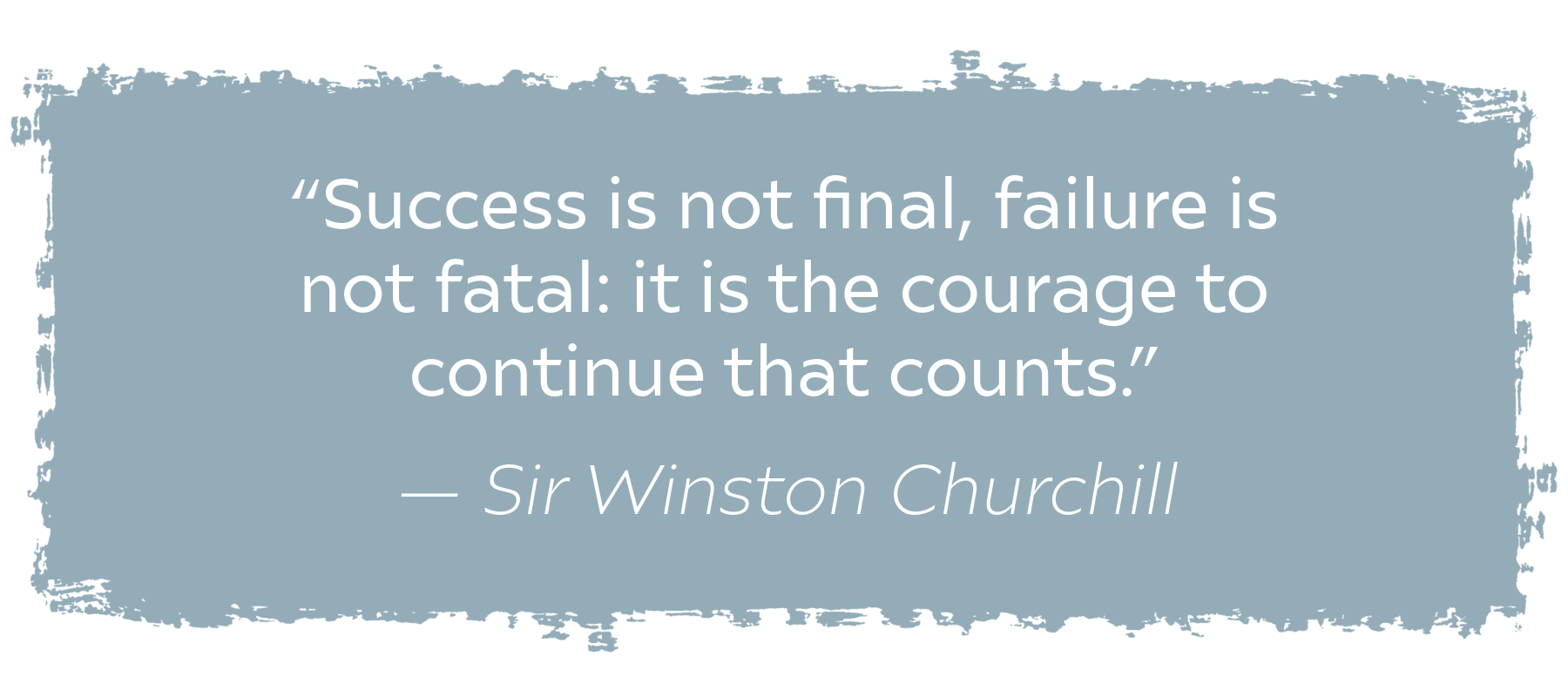
Resilience means getting back up.
Resilience, the ability to bounce back from setbacks, is an essential skill for overcoming the fear of failure. One way that you can help your students develop resilience is through teaching problem-solving skills. Encourage students to break down complex tasks into more manageable steps, brainstorm multiple solutions, and evaluate the outcomes. Have they failed and need to try again? Encourage your students to go for it, by all means—but not to make the same mistake by trying the same failing method (equivalent to banging their head against the wall). Resilience is taking hope, going patiently back to the drawing board, and trying again in a different way.
You may also want to encourage group activities for especially challenging questions. By working through challenging assignments, both individually and then with others, students should also learn to support one another and come to realize that setbacks are part of the process. A sense of community, shared purpose, and growing adaptability helps to cushion the discomfort that can come with building resilience.
Part of the classroom resilience-building process is to encourage goal setting and documenting the journey toward these realistic, achievable goals. Teachers should model how to construct short-term and long-term goals, breaking the journey down into actionable steps. This process should help students focus on progress, reducing the emphasis on any one failure.
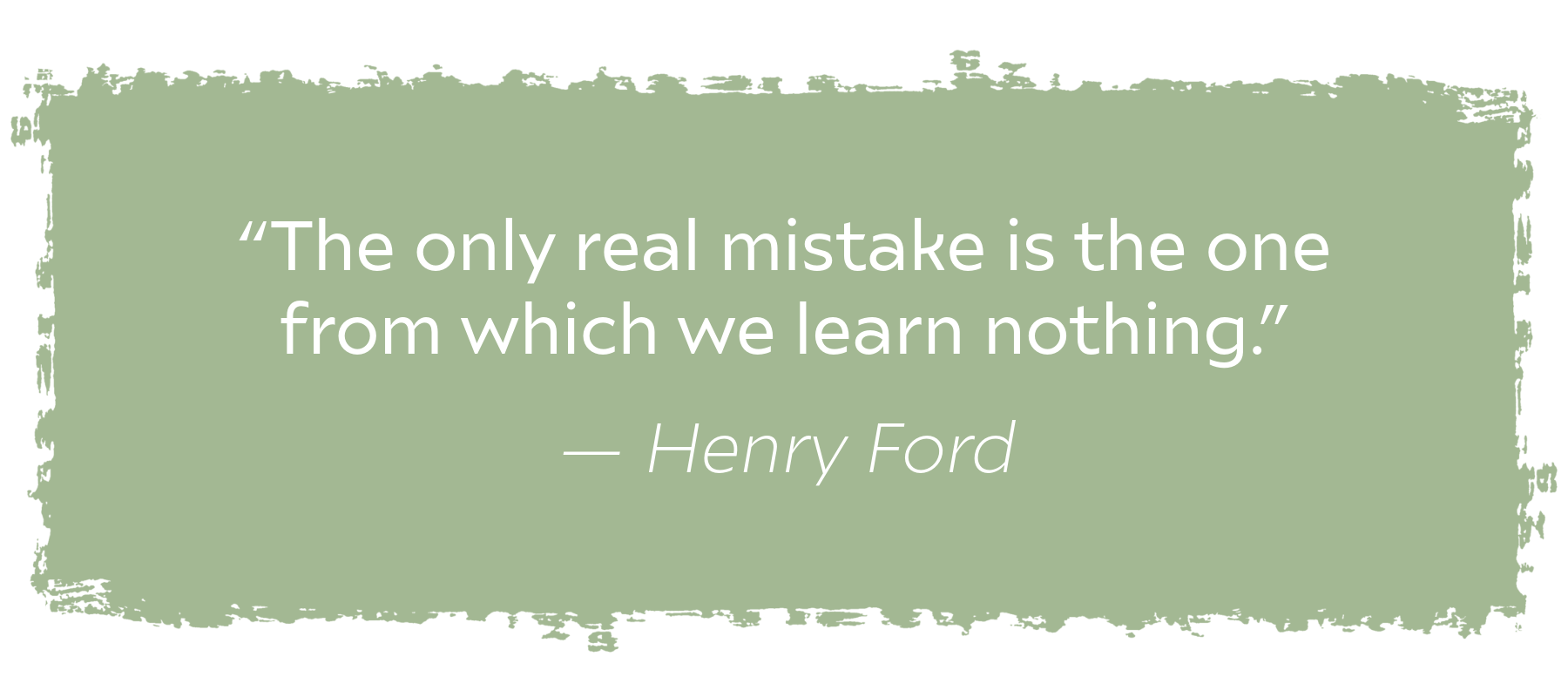
Worth is not determined by works.
You never want to encourage your students to buy into this sour-grape effect of repeated failure: “Well, I didn’t really want to do that anyway.” Anything that downplays the role of diligent work is unhelpful. But you will still want to remind students that their worth is not determined by the transient successes or failures of this world. Our worth as Christians is rooted in the unchanging grace of God, Who made us in His own image and Who loves His redeemed unconditionally. Whether we stumble or soar, our identities remain anchored in Who He is.
You may also need to remind your students that God created them with their innate gifts and weaknesses, and He may use those very weaknesses for good. As 2 Corinthians 12:9 states, “And he said unto me, My grace is sufficient for thee: for my strength is made perfect in weakness. Most gladly therefore will I rather glory in my infirmities, that the power of Christ may rest upon me.” God will never waste anything in the lives of His children—and that includes your students’ failures.
As you extol the virtue of hard work, are open about your own failures and learning curve, use terminology that celebrates a growth mindset, teach problem solving, and share the biblical view of worth and weakness, you are modeling a life of resilience that should resonate with your students. May they see that even their failures can be the crucible that forges their futures.
For more on fear of failure, please check out the blog post “Helping Students with Test Anxiety.”



Comments for Helping Students Confront the Fear of Failure
Add A Comment
Your email address will not be published. Required fields are marked *